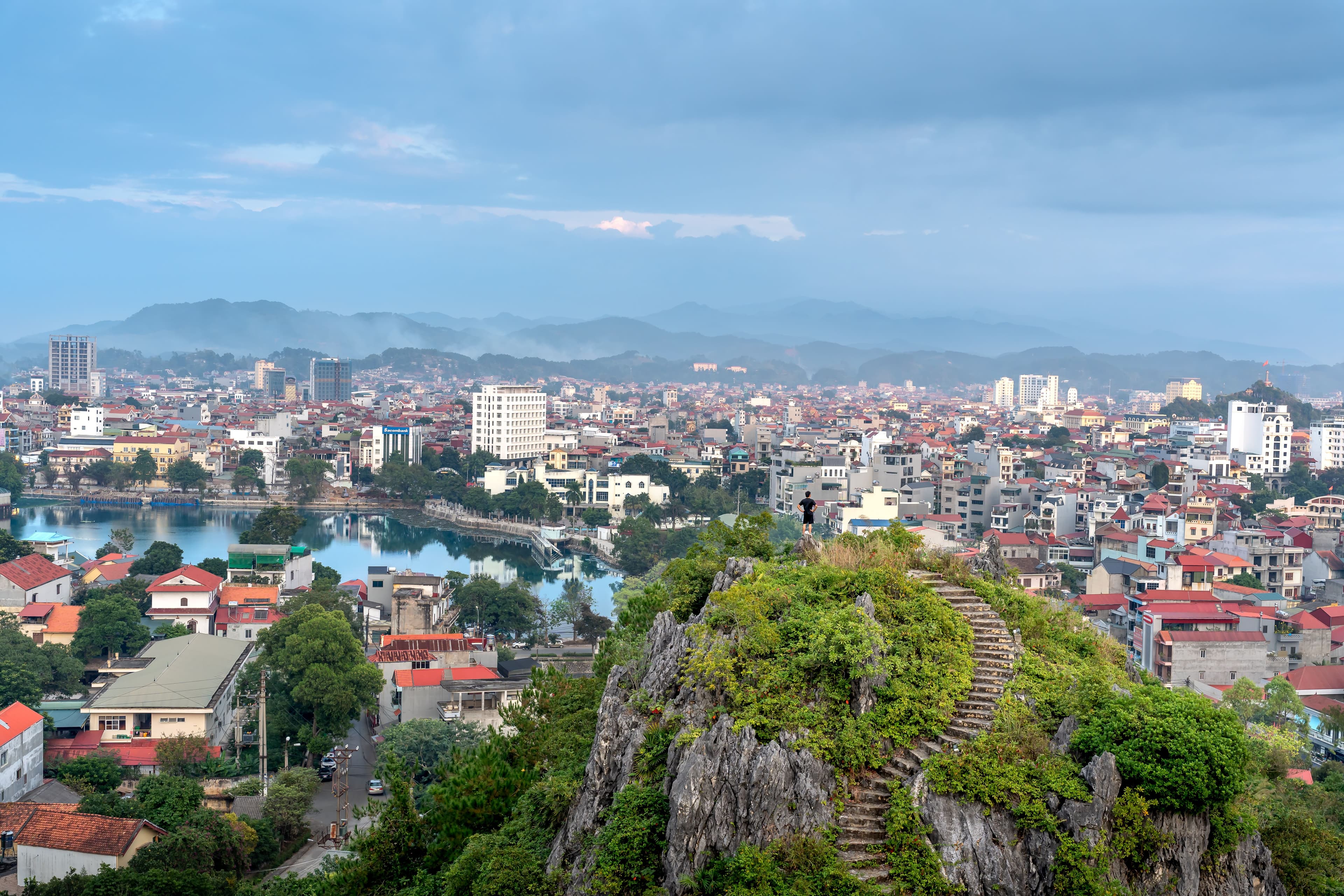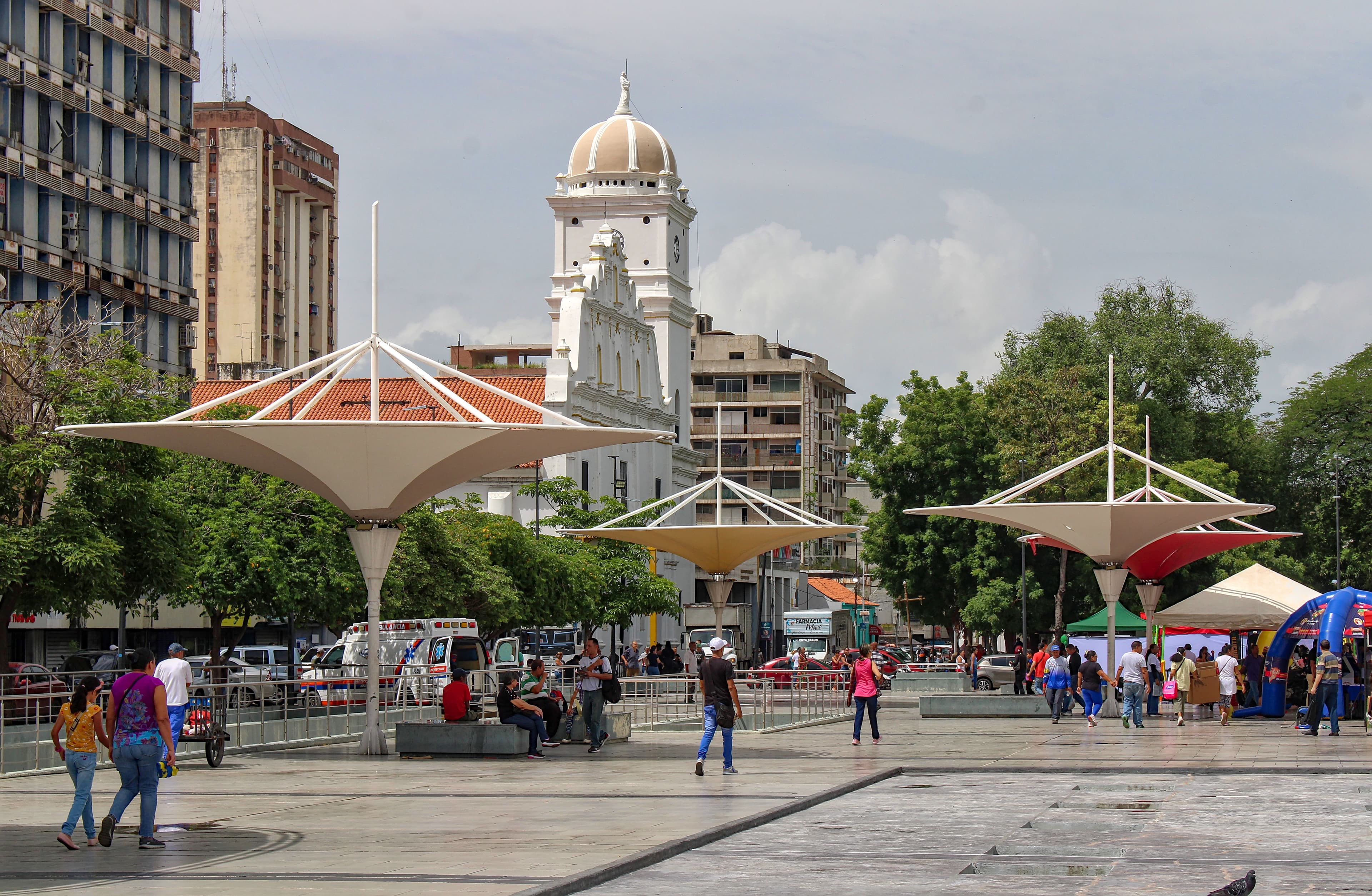
Bolivia is popular for Salar de Uyuni and Lake Titicaca. But if you are an American employer, you are probably more interested in the workforce policies in the country. Bolivia is emerging as an increasingly attractive destination for companies looking to expand their Latin American footprint. A resource-rich economy anchored by natural gas, mining, and agriculture, and relatively moderate labor costs, hiring in Bolivia offers genuine competitive advantages for international employers.
Bolivia's labor framework is strongly worker-protective, and navigating employment law in Bolivia requires careful preparation. This guide covers everything American employers need to know, from minimum wage requirements and payroll obligations to contracts, benefits, leave entitlements, and termination rules.
Key Facts About Employment in Bolivia
Information Category | Details |
Minimum Wage in Bolivia | BOB 3,300 per month. |
Standard Workweek | 48 hours/week for men; 40 hours/week for women and minors under 18. |
Payroll Frequency | Monthly processing. |
Fiscal Year | Calendar year (January-December). |
Main Employment Laws | Ley General de Trabajo / Decreto Ley 16998 Ley 065 (Social Security Law) |
Employment Contracts in Bolivia
Bolivian law recognizes both written and oral employment agreements, though written contracts are strongly recommended and required for fixed-term arrangements. All employment relationships that meet three conditions, personal service, subordination, and remuneration, are treated as formal labor relationships regardless of how they are labeled.
Types of Contracts:
- Indefinite / Permanent Contract: The standard employment model where the employment relationship has no fixed end date.
- Fixed-Term Contract: A contract with a defined term. It should be documented and submitted for Ministry review where required.
- Seasonal Contract: A contract tied to seasonal work.
- Work or Service Contract: A contract tied to the completion of a defined work or service.
- Conditional or Eventual Contract: A contract used for specific contingent or temporary needs, subject to documentation and Ministry treatment.
Mandatory Contract Elements:
- Full name and details of the employer and employee
- Job title and description of duties
- Agreed salary and payment frequency
- Working hours and location
- Probation period
- Termination conditions and notice requirements
- Confidentiality or non-compete clauses (if applicable)
Payroll, Taxes, and Social Security in Bolivia
Payroll in Bolivia runs on a monthly cycle. Employers must process payroll by the last working day of the month and issue detailed payslips showing gross pay, all deductions, and net pay. Monthly declarations must be submitted to the Servicio de Impuestos Nacionales (SIN) via the SIAT en Línea system.
Employer Contributions
Contribution Type | Rate | Details |
National Healthcare (CNS) | 10% | Employee and dependent health insurance |
Housing Fund (FONVIS) | 2% | National housing support program |
Occupational Risk Insurance | ~1.71% | Workplace injury and risk coverage |
Solidarity Pension Fund | 3% | Additional pension solidarity contributions |
Employee Contributions
Contribution Type | Rate | Details |
Pension (SSO / AFP) | 10% | Individual pension savings account |
Pensionary Fund Commission | 0.5% | AFP administration fee |
Gestora Commission | 0.5% | Solidarity-based pension top-up |
Practical Tip: Bolivia does not use a progressive income tax bracket system for employees. The flat 13% RC-IVA rate applies uniformly, but employees who diligently collect and submit purchase invoices can meaningfully reduce their tax burden, a common practice worth communicating to new hires.
Compensation & Benefits in Bolivia
All employers in Bolivia must meet the minimum wage floor and provide a suite of mandatory benefits on top of base salary.
Benefit Type | Details |
13th Salary (Aguinaldo de Navidad) | Equivalent to one month’s salary if the employee worked the full year; otherwise paid proportionally, where the worker meets the minimum service threshold set by Ministry guidance. |
14th Salary (Segundo Aguinaldo) | Conditional: paid only if Bolivia's GDP growth exceeds 4.5%; also equals one month's salary |
Profit Bonus (Prima de Utilidades) | Where applicable, a profit-based annual bonus equal to one month’s salary is due to qualifying workers; industry and commerce companies must allocate 25% of annual profits for this benefit under the cited labor rules. |
Seniority Bonus (Bono de Antigüedad) | Calculated as a percentage of the national minimum wage based on years of service |
Health Insurance | Mandatory registration with the Caja Nacional de Salud (CNS); employer contributes 10% |
Housing Allowance (FONVIS) | Employer contributes to the National Housing Fund |
Transport/Meal Allowances | Common in major cities (Santa Cruz, La Paz, Cochabamba); generally taxable unless SIN-exempt; must be documented in contracts |
Pension | Mandatory individual accounts managed by AFPs; combined employer/employee contributions |
Working Hours and Overtime in Bolivia
Category | Description |
Standard Daily Hours | 8 hours/day |
Standard Weekly Hours | 48 hours/week (men); 40 hours/week (women and minors under 18) |
Night Work Hours | Limited to 7 hours/day (10 PM–6 AM); 25–30% pay surcharge |
Overtime Threshold | Any hours beyond 8/day or 48/week |
Overtime Rate (Regular Days) | 100% premium (double pay) |
Overtime Rate (Sundays/Holidays) | 200% premium (triple pay) |
Daily Overtime Cap | Maximum 2 hours per day |
Record-Keeping (2025 Reform) | Employers no longer need prior Ministry authorization for overtime, but must maintain detailed records. Non-payment suspends the employer's right to require overtime for 6 months |
Flexible Schedules | Employees with caregiving responsibilities now have a legal right to request flexible scheduling under the 2025 labor reform |
Remote Work | No comprehensive remote work statute, but flexible arrangements are becoming common and should be formalized in employment contracts |
Leave and Statutory Time Off in Bolivia
Bolivia provides broad leave entitlements. These are mandatory minimums, contracts or company policy may offer more, but cannot provide less.
Leave Type | Entitlement | Key Details |
Annual Paid Leave (1–5 years tenure) | 15 working days | Accrues after 1 year of continuous service |
Annual Paid Leave (5–10 years tenure) | 20 working days | Increases automatically with seniority |
Annual Paid Leave (10+ years tenure) | 30 working days | Maximum entitlement |
Carryover | Not automatic | Carryover requires a written agreement between employer and employee; unused leave must be paid out upon termination |
Public Holidays | 11 national holidays | Includes Independence Day (Aug 6), Labor Day (May 1), Aymara New Year (June 21), and religious observances; additional regional/departmental holidays apply |
Sick Leave | Up to 26 weeks/year | Employee must submit a medical certificate within 48 hours of the first absence |
Sick Leave Pay (Days 1–3) | 100% salary | Paid by employer |
Sick Leave Pay (Day 4 onward) | 75% salary | Paid by social security (CNS), employer advances, and is reimbursed |
Extended Sick Leave | Up to 52 weeks | In cases of long-term illness |
Maternity Leave | 90 days (45 pre-birth, 45 post-birth) | Requires 120 consecutive days of service to qualify. Employer pays 100% salary. 90% reimbursed by Social Security |
Maternity Allowance | 1 month's salary bonus | Prenatal and nursing subsidies also apply |
Paternity Leave | 3 days | Paid 100% by employer; taken immediately after birth |
Parental Protection | 1 year post-birth/adoption | Both parents are protected from dismissal during pregnancy and for one year after birth or adoption; salary and job location cannot be altered |
Marriage Leave | 3 consecutive working days | Paid leave for employees getting married |
Bereavement Leave | ~3 days | 3 days for the death of parents, spouse, siblings, or children. |
Nursing Breaks | Two 1-hour breaks/day | For breastfeeding mothers until the child reaches one year of age |
The following are the public holidays in Bolivia:
- New Year’s Day
- Plurinational State Foundation Day
- Carnival — Day 1 (February 16)
- Carnival — Day 2 (February 17)
- Good Friday
- Labor Day
- Corpus Christi
- Aymara Amazonian New Year (June 21)
- Aymara Amazonian New Year — Observed (June 22)
- Bolivia Independence Day
- National Dignity Day
- All Souls’ Day
- Christmas Day
Hiring and Onboarding Process in Bolivia
Successfully hiring in Bolivia requires several formal steps with government authorities. Here is a practical checklist for employers:
Employment Contract & Documentation:
- Draft a written employment contract covering all mandatory elements.
- Register the employment contract with the Ministry of Labor within 90 days of signing
- Collect employee documents: national ID, tax registration (NIT), social security affiliation, and bank account details for payroll.
Onboarding Tips:
- Provide employees with a written payslip breakdown explaining gross pay, social security deductions, and net pay.
- Enroll the employee in the social security system before their first day.
- Brief new hires on Bolivia's mandatory bonus calendar.
- Document working hours agreements clearly in the contract, especially for any flexible or remote arrangements.
Foreign Hires & Work Permits Bolivia:
- Foreign nationals do not require a traditional work permit, but their employment contracts must be registered with the Ministry of Labor within 90 days of signing.
- Foreign employees need a Specific Purpose Visa (Objeto Determinado) initially, followed by a one-year temporary residence permit that authorizes work; these are typically renewable.
- All foreign hires must also be registered with the Labor Ministry as a separate step from contract registration.
Termination & Notice Periods in Bolivia
Bolivia does not follow at-will employment. Employers must have documented just cause or face significant financial obligations.
Grounds for Termination:
- Gross misconduct or illegal behavior in the workplace.
- Serious violation of company policies or the employment contract.
- Reaching mandatory retirement age.
- Mutual written agreement between the employer and the employee.
- Documented, persistent performance failure (requires evidence).
Notice Requirements:
- There is no standard mandatory advance-notice period in Bolivia.
- Instead, if an employer terminates without just cause, they must pay desahucio, a payment equivalent to 3 months' salary in lieu of notice.
- Blue-collar workers
- 1 month of service: 7 days’ notice
- 6 months of service: 15 days' notice
- 1 year of service: 30 days' notice
- White-collar workers with more than 3 months of service: 90 days' notice.
Severance Pay (Indemnización):
- Employees are entitled to 1 month's salary for each year of service, calculated on the average total remuneration of the last 3 months.
- Any period exceeding 6 months in a partial year counts as a full year.
- Employees who resign after 3 or more months of continuous service are also entitled to severance based on tenure.
- Upon termination without just cause, the full package includes: indemnización + desahucio + pro-rata aguinaldo + accrued vacation pay.
- Justified terminations must be proven to the Ministry of Labor to avoid paying the full severance package.
- Severance must be paid promptly at the time of termination; delays attract 1% monthly compounding interest.
Useful Resources
- Ministry of Labor, Employment and Social Welfare
- Servicio de Impuestos Nacionales (SIN) – Tax Authority
Check out Niural Global Payroll
Other articles
Hiring in Chile
Hiring in Brazil
Disclaimer: This article is provided for informational purposes only and should not be relied on as legal advice or used as a substitute for advice from qualified legal counsel.